
Understanding the basics of gambling for beginners
What is Gambling?
Gambling is the act of wagering something of value, typically money, on an uncertain outcome with the primary intent of winning additional money or material goods. It encompasses a wide range of activities, including games of chance such as poker, slot machines, and roulette, as well as skill-based games like blackjack and sports betting. Understanding the basic principles of gambling can help newcomers navigate this exciting but complex world.
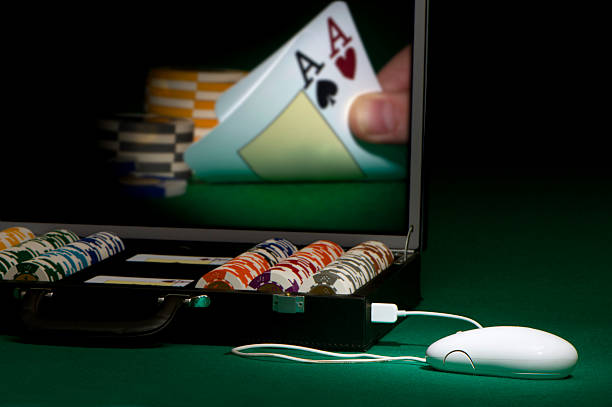
At its core, gambling relies on the concept of risk and reward. Participants accept the risk of losing their initial stake in hopes of a greater return. This dynamic makes gambling thrilling for many, but it also necessitates a careful approach, especially for beginners who may not fully grasp the odds and mechanics involved in various games. best bitcoin sportsbooks
The Psychology of Gambling
Understanding the psychological aspects of gambling is essential for beginners. Many individuals are drawn to the thrill of uncertainty, which can lead to excitement and even addiction. It is important to recognize that gambling can elicit strong emotional responses, and these feelings can influence decision-making. Awareness of these psychological triggers can help players maintain control over their gambling habits.
Common Gambling Myths
Many myths surround gambling that can mislead beginners. For example, a prevalent belief is that certain games are “hot” or “cold,” suggesting that specific outcomes are due or overdue. In reality, games of chance operate independently, and each outcome is random, making it impossible to predict future results based on past performance.
Another common misconception is that gambling can be a reliable source of income. While some individuals may experience short-term wins, the house always has an edge in the long run. Understanding these myths helps beginners set realistic expectations and fosters a healthier relationship with gambling.
Responsible Gambling Practices
Adopting responsible gambling practices is crucial for beginners. Setting limits on time and money spent on gambling helps prevent potential issues and maintains the enjoyment factor. Players should only wager what they can afford to lose and should avoid using gambling as a means to escape from personal problems or stress.
Moreover, many casinos and online gambling platforms offer tools to help players manage their gambling habits, including self-exclusion options and deposit limits. Familiarizing oneself with these resources can provide additional layers of protection and promote a more positive gambling experience.

Finding the Right Gambling Platform
Choosing the right gambling platform is key for beginners. With countless options available, it is essential to research and select a site that aligns with individual preferences and needs. Factors to consider include game variety, user interface, customer service, and payment methods. Reading reviews and seeking recommendations can help beginners make informed choices.
Furthermore, many gambling sites prioritize user security and responsible gambling practices, offering features like fast payouts and enhanced privacy measures. By opting for reputable platforms, beginners can ensure a safer and more enjoyable gambling experience, allowing them to focus on the fun and excitement that gambling can offer.